

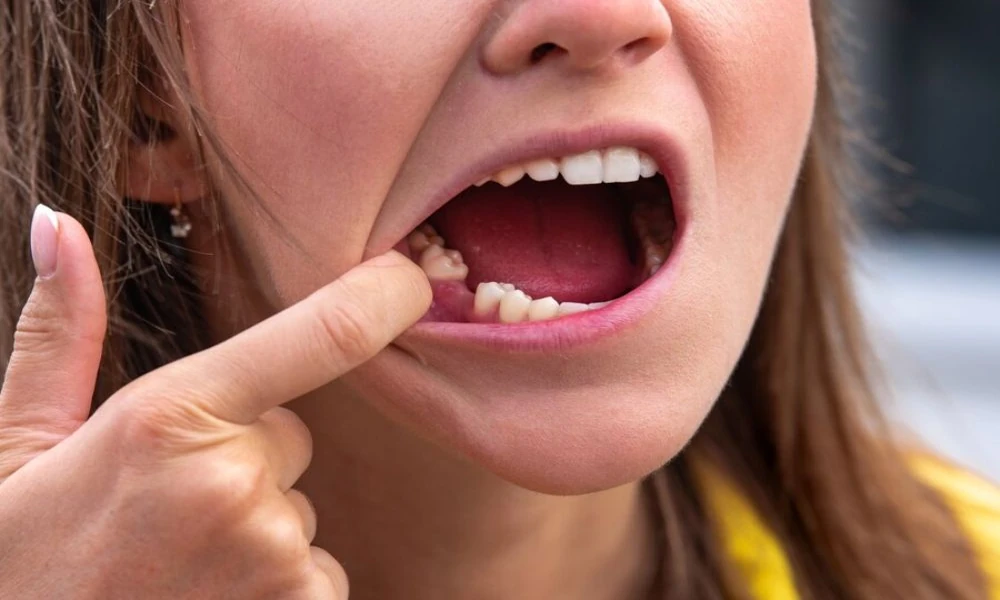
Unexpected dental injuries may occur. A crack, chip, or even a totally knocked-out tooth may be caused by biting into something hard, falling while exercising, being hurt in sports, or just having a weaker tooth. While some dental damage can appear insignificant at first, some injuries need to be treated by a specialist very soon in order to save the tooth and surrounding tissues.
You can choose your next course of action by being able to assess the severity of a dental injury. A damaged natural tooth may also have a better chance of survival if prompt and proper intervention is taken.
Comprehending A Broken Tooth
A tooth may break for a number of causes. The tooth structure may be weakened by grinding teeth, chewing hard foods like ice, being struck in the mouth, or having a big filling. The severity of cracks also varies greatly.
There may be minimal to no pain from a little surface break. On the other hand, a deeper fracture may cause intermittent discomfort, temperature sensitivity, or acute pain while biting. The pulp of the tooth, which has blood vessels and nerves, may sometimes be affected by the split.
It is important to pay attention to any prolonged pain, increased sensitivity, or oedema around a broken tooth. The extent of the damage and whether restorative treatment is necessary may be ascertained with the aid of an evaluation by a dentist Hornsby locals may see.
When A Chipped Tooth Requires Care
Teeth chips are widespread and may vary from minor aesthetic flaws to more significant structural damage. A little chip that merely affects the enamel would not hurt, but it might leave a sharp or rough edge that irritates the cheek or tongue.
The deeper layers of the tooth may be seen with larger chips. Sensitivity to hot, cold, or sweet meals may result from this. Additionally, the impacted tooth may become more susceptible to additional fractures.
It makes sense to schedule a dental checkup even if a chipped tooth is painless. Depending on how much tooth structure has been destroyed, treatment options might include bonding, filling, smoothing, or another restorative procedure.
Quick Action Is Needed After A Knocked Out Tooth
In general, a permanent tooth that has been fully knocked out is more urgent than a little chip or fracture. Time may be especially crucial because, once the tooth is outside the mouth, the tissues that are linked to the root may start to deteriorate.
If at all feasible, handle the tooth gently by its crown instead of its root. Don’t touch or clean the root surface needlessly. If the tooth is unclean, it may be lightly washed without being thoroughly cleaned.
The intention is to keep the tooth from drying out until emergency dental care is scheduled. Parents should refrain from trying to put a baby tooth back into its socket without expert assistance since a knocked-out baby tooth should be handled differently than a permanent tooth.
Indications Of Potentially Serious Dental Trauma
There are other signs that an injury needs immediate care besides obvious damage. After an accident, a tooth may seem quite normal, but there may be damage under the surface.
A loose permanent tooth, persistent bleeding, facial swelling, severe or increasing discomfort, trouble biting, or severe sensitivity might all be signs that a professional evaluation shouldn’t be put off. Attention should also be given to a tooth that has shifted after an accident.
Sometimes trauma affects the internal pulp, surrounding bone, or root without causing visible exterior damage. For this reason, after a serious blow to the lips, an examination may be beneficial.
Timely Assessment Is The First Step In Tooth Protection
Dental injuries should still be treated properly even if not every chipped tooth is an emergency. Untreated structural issues may worsen over time, cracks may widen, and damaged teeth may become infected.
The kind of injury, the extent of the damage, and the symptoms all influence the best course of action. It is possible to find concealed harm and discuss appropriate therapy when prompt expert assistance is sought. Reacting effectively may have a significant impact on long-term dental health, regardless of whether the issue is a little chip or a permanent tooth that has been entirely knocked out.